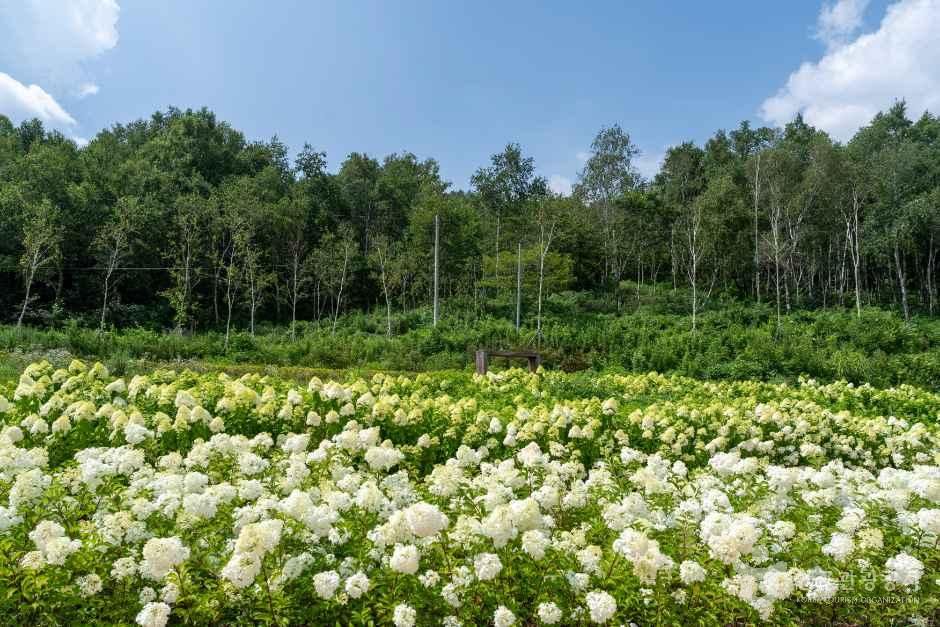
Seopjikoji
As the name 'Koji' (a Jeju dialect meaning a cape) suggests, Seopjikoji is a protruding terrain shaped like the tip of a nose.
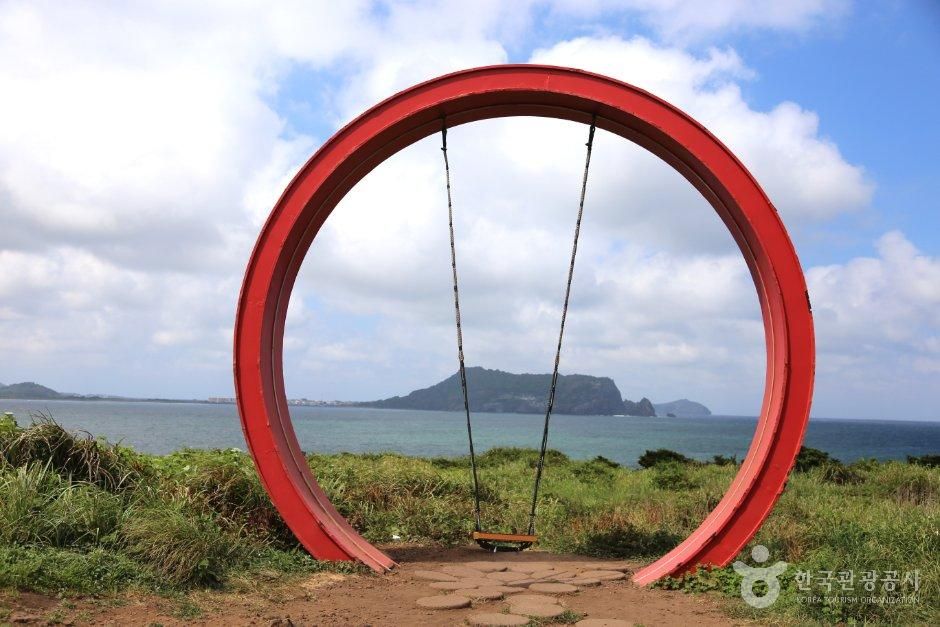
Address: 262, Seopjikoji-ro, Seongsan-eup, Seogwipo-si, Jeju-do
As the name 'Koji' (a Jeju dialect meaning a cape) suggests, Seopjikoji is a protruding terrain shaped like the tip of a nose. Geographically, it juts out onto the coast of Sinyang-ri, Seongsan-eup, Seogwipo-si. It may not be very easy for outsiders to find, but generally, you can enter the village from the Sinyang-ri coastal national highway, follow the signposts, and take the concrete-paved road to the end of the cape. Alternatively, if coming from Seogwipo, pass through Pyoseon downtown, drive about 7 km until you see a coastal road sign on the right, turn right here, drive straight along the sea with the panoramic view of Seopjikoji in front of you, soon see the sandy beach of Sinyang Beach, turn right in front of the village, and follow the concrete road similarly. The canola flowers here, matching the bright sunlight and blue sea color, display a more vivid and delicate hue than anywhere else. On the wide and flat Koji hill, Hyeopjayeondae, a stone beacon mound used to light beacon fires in the past, is erected. It is a square shape about 4m high and 9m on each side, relatively well-preserved in its original form. The peak rising northeast from the beacon mound is the so-called Bulgeun Oreum,