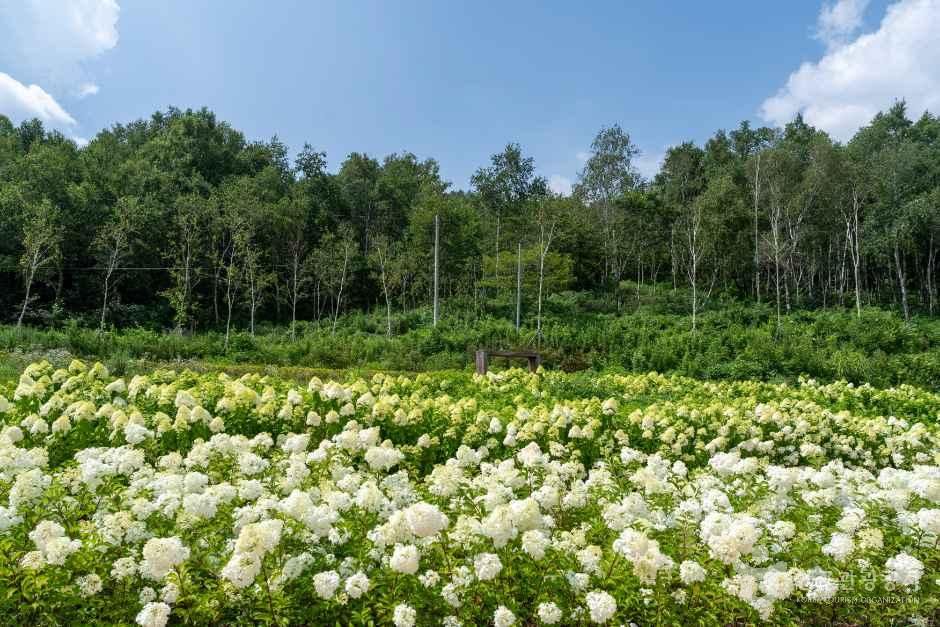
Seonseoksa Temple (Gyeongbuk)
Seonseoksa Temple, a branch temple of Donghwasa Temple, is located on the mid-slope of Seojinsan Mountain and is the largest temple in Seongju-gun.

Address: 616-33 Sejongdaewangjatasil-ro, Wolhang-myeon, Seongju-gun, Gyeongsangbuk-do
Seonseoksa Temple, a branch temple of Donghwasa Temple (the head temple of the 9th Diocese of the Jogye Order of Korean Buddhism), is located on the mid-slope of Seojinsan Mountain and is the largest temple in Seongju-gun. Like many temples in the Gyeongbuk region, it was completely burned down during the Japanese invasions of Korea (Imjin War), leaving no precise records of its founding date or founder. However, it is said to have been founded in 692 (the 1st year of King Hyoso) by Master Uisang under the name Shinkwangsa Temple. At the time of its founding, it was located further west. Towards the end of the Goryeo Dynasty, Master Naong attempted to move it to the current site, where a large rock was discovered during excavation, leading to the name Seonseoksa. After being burnt down during the Imjin War in 1592, it was reconstructed in 1684 by monks Haemuk and Naheon, moved back to its old western site in 1725, and finally relocated to its present location by monk Seoyun in 1804. Structures such as Daeungjeon Hall, Myeongbujeon Hall, and others were built, though the royal autograph pavilion (Eopilgak) was later lost to a fire. Recently, an outdoor Maitreya Buddha was enshrined beneath the bamboo grove behind Daeungjeon Hall. Notably, it was designated as a temple to safeguard the royal placenta chambers (Taesil) during the Joseon Dynasty. About 200 meters away from the temple is Taebong, where the placenta chambers of King Sejong's princes are located as a guardian sanctuary, receiving royal calligraphy from King Yeongjo.